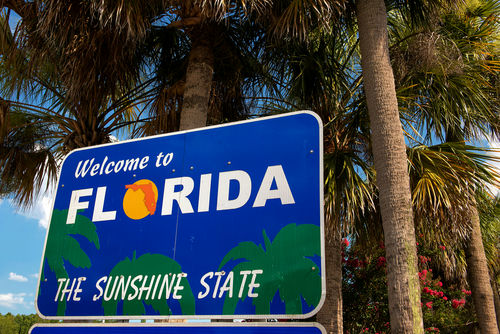
Florida’s paradise lured over 2 million escapees from high-tax hellholes like California, New York, and Illinois—only to morph the Sunshine State into one of the South’s priciest destinations overnight.
Mass Exodus from Blue States Fuels Florida Boom
California lost 530,886 residents, New York 446,814, Illinois 139,399—totaling over one million departures since 2020. High taxes, soaring costs, and political climates pushed them out. Over 2 million Americans chose Florida, drawn by no state income tax, endless sun, and remote work freedom. This influx rocketed Florida’s population by 8.2% through 2024, crowning it America’s fastest-growing state and second only to Texas in newcomers. Southwest Florida counties exploded: Charlotte County +25.8%, Lee +16.4%.
Pre-Pandemic Affordability Vanishes
Before 2020, Florida’s cost-of-living grew modestly at 1.3% annually during the 2010s. Migrants flocked for tax relief and beaches, but COVID unleashed the torrent. Hurricanes battered the state yearly, spiking homeowners’ insurance to the nation’s highest. Population boom overwhelmed housing stock and infrastructure. Air conditioning demands and natural gas rebuilds jacked utilities to $174 monthly electric bills, fourth-highest usage nationwide. Florida climbed to 18th most expensive U.S. state, fourth in the South.
Housing and Insurance Costs Skyrocket
Rents leaped from mid-pack to sixth-highest nationally at $2,208 per month by 2025. Homeowners’ insurance surged 63% to $2,794 annually since 2020. Median home prices hit $373,333, 104% of the U.S. average. Coastal Miami exceeds $600,000, while inland Ocala stays affordable—but demand crushed supply everywhere. Groceries ballooned too: eggs up 135% from 2015-2025. No-income-tax perk helps, yet fails to offset the crush. Wages lag, covering just 19% of home values yearly.
Expert Warnings and Stakeholder Clashes
Florida TaxWatch, a nonpartisan watchdog, documented the fivefold cost acceleration in their mid-decade report. Housing dominates the surge, with Florida-specific pressures like hurricanes proving relentless. TaxWatch urges reforms in housing and insurance. Migrants sought escape but sparked their own trap. Developers and insurers profit from scarcity; locals endure traffic and shortages. Policymakers in Tallahassee balance growth windfalls against livability erosion—common sense demands zoning fixes and insurer accountability, aligning with conservative values of limited government enabling markets.
News4Jax reporter Tiffany Salameh highlights costs outpacing wages, pinning future on policy. Optimists tout economic booms; pessimists declare Florida “no longer inexpensive.” Balanced views note inland havens and peaking prices.
California, New York, and Illinois Lost Over One Million Residents Combined. Over 2 Million Moved to Florida. Here Is What Happened to Florida Cost of Livinghttps://t.co/TmiS4DSfRZ
— 19FortyFive (@19_forty_five) April 24, 2026
Recent Slowdown Hints at Relief
Early 2026 brings signs of cooling: population growth eases, some medians drop $30,000 year-to-date with seller incentives—from $500,000 peaks to $479,000 in spots. Inflation peaked in 2022, now receding yet above pre-2020 levels. Southwest Florida added 250,000 since 2020, straining roads and services short-term. Long-term, affluent demographics may dominate unless reforms intervene. Lower-wage locals bear brunt; some eye exits as affordability crisis brews political heat for tax and insurance overhauls.