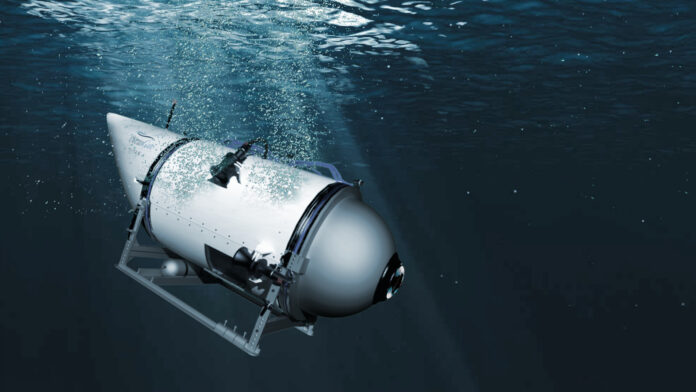
Christine Dawood received her husband and son’s remains nine months after the OceanGate Titan submersible catastrophically imploded in June 2023. The recovered remains arrived in two small boxes containing what she described as “the slush that was left” after DNA testing separated identifiable remains from mixed genetic material.
The Fatal Descent to Titanic Wreckage
Shahzada Dawood, 48, and his 19-year-old son Suleman died alongside three others when the submersible imploded during a dive to view the Titanic wreckage. Christine was supposed to join her husband on the dive but gave her ticket to Suleman. The family had discovered the opportunity on social media during the pandemic and added it to their bucket list. The trip departed from the North Atlantic in what Christine called “the start of a family adventure.”
Final Moments and Mixed DNA
Christine recalled the rushed goodbye as weather conditions suddenly cleared for the dive. Suleman brought his Rubik’s Cube to set a record for solving it at the deepest depth. The family joked about dangers, with expedition leader Hamish discussing his fear of helicopters while preparing to descend thousands of feet underwater. The U.S. Coast Guard later recovered and tested remains, separating identifiable DNA from a larger pile of mixed genetic material officials offered to Christine. She declined the mixed remains, accepting only what could be confirmed as her husband and son.
No Suffering in Catastrophic Implosion
Christine expressed relief when officials confirmed the implosion was catastrophic. The event lasted mere nanoseconds, according to Titanic expedition leader G. Michael Harris, meaning Shahzada and Suleman died instantly without awareness or suffering. Christine told reporters that knowing they didn’t suffer has been crucial to processing the tragedy. She now lives in Surrey, England, with her 20-year-old daughter, carrying forward after losing half her family in an instant beneath the Atlantic Ocean.
What This Means
The Titan submersible disaster highlighted severe safety concerns about deep-sea tourism operations. OceanGate faced criticism for experimental design choices and lack of third-party safety certification before the implosion killed all five passengers. Christine Dawood’s account provides the first detailed description of how remains were returned to families after the catastrophic failure. The tragedy serves as a stark reminder of the extreme risks involved in deep-sea exploration, particularly when commercial operators bypass standard safety protocols in pursuit of unique tourist experiences at the ocean’s most dangerous depths.