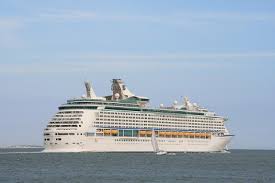
A deadly hantavirus outbreak aboard a cruise ship sailing the Atlantic Ocean has claimed three lives and left multiple passengers fighting for survival in hospitals across two continents. The rare viral infection, typically spread through contact with rodent droppings or urine, has infected at least six people on the MV Hondius, triggering an international health emergency as authorities scramble to contain the spread.
Confirmed Deaths and Critical Cases
The World Health Organization confirmed one laboratory-verified hantavirus case among six suspected infections aboard the vessel. A 70-year-old man and his 69-year-old wife, possibly Dutch nationals, both died from the illness. A 69-year-old British passenger was evacuated to a South African hospital where he remains in intensive care, battling severe respiratory complications. Two additional passengers receiving treatment in Cape Verde, off West Africa’s coast, face possible isolation as medical teams work to prevent further transmission among the ship’s population.
Unprecedented Viral Transmission Pattern
The outbreak presents medical investigators with troubling questions about how passengers contracted the virus. The MV Hondius departed Argentina and sailed to Cape Verde before the infections emerged. Hantavirus typically spreads through environmental exposure to infected rodents, according to WHO officials, but rare human-to-human transmission remains possible. The virus triggers severe respiratory illness requiring intensive monitoring and immediate medical intervention. WHO teams have launched detailed epidemiological investigations and begun viral sequencing to determine the infection source and transmission pathway among the affected passengers.
International Response and Containment Efforts
Health authorities across multiple nations coordinate emergency response protocols as the cruise ship outbreak unfolds. WHO representatives work directly with South African and Cape Verdean officials to evacuate critically ill passengers while providing medical support to remaining crew and travelers. The investigation focuses on identifying potential rodent contamination sources aboard the vessel and implementing strict isolation procedures. Medical teams provide ongoing care to hospitalized patients while monitoring other passengers for symptoms. The international health agency emphasized that detailed testing and epidemiological research continue as authorities work to prevent additional cases and understand this unusual outbreak pattern.
What This Means for Maritime Safety
This outbreak raises serious concerns about disease prevention protocols on cruise vessels operating international routes. Hantavirus infections aboard ships remain extremely rare, making this incident particularly alarming for health officials and the maritime industry. The deaths highlight the vulnerability of cruise passengers to infectious diseases in confined environments where rapid transmission can occur. As sequencing work continues and more information emerges, this case will likely prompt reviews of pest control standards and health screening procedures across the cruise ship industry to prevent similar deadly outbreaks from threatening passenger safety in the future.