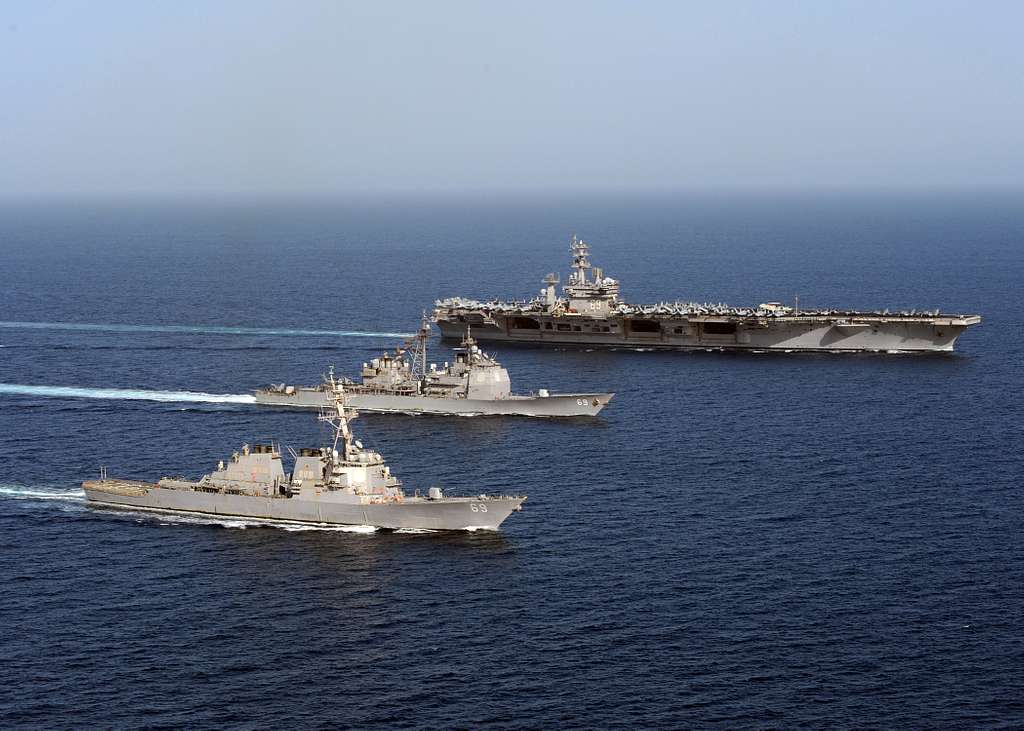
Tehran weighs unleashing mine-carrying dolphins against American warships as the US naval blockade in the Strait of Hormuz enters its third week, choking Iran’s oil exports and pushing the regime toward desperate measures.
Dolphins Trained to Kill
Iranian officials confirmed the regime purchased Soviet-trained military dolphins in 2000, animals specifically conditioned to attack enemy vessels with harpoons and explosives. The dolphins can carry mines directly to ships in kamikaze-style strikes. With hardliners viewing the US blockade as an act of war, Tehran may deploy these underwater weapons alongside submarines and threats to sever undersea telecommunications cables running through the strait. The financial crisis sparked by blocked oil revenues has intensified calls within Iran’s leadership to resume military confrontation.
Strategic Chokepoint Under Pressure
The Strait of Hormuz serves as the critical passageway for global oil shipments, making it a natural flashpoint between American forces and Iranian military assets. Tehran’s Islamic Revolutionary Guard has already threatened to cut key phone cables crossing the waterway, which could trigger widespread internet disruptions worldwide. Experts warn that Iranian decision makers increasingly see renewed conflict as less costly than enduring prolonged economic starvation from the blockade. The military options under consideration extend beyond aquatic mammals to include submarine deployments and coordinated infrastructure attacks.
Blockade Creates Breaking Point
The financially crippling embargo has transformed from a pressure tactic into what Tehran perceives as warfare by another name. Hamidreza Azizi, a Middle East specialist at the German research institute SWP, notes Iranian leaders now view the blockade itself as a form of conflict rather than an alternative to combat. This shift in perception brings previously unused weapons systems into active consideration. The Soviet-era dolphin program represents just one component of Iran’s asymmetric warfare capabilities, designed to counter superior American naval power through unconventional means. As the cease-fire holds but economic desperation mounts, the threshold for military escalation drops dangerously lower.