Israeli Prime Minister Benjamin Netanyahu announced plans to eliminate U.S. military aid to Israel within a decade, signaling a dramatic shift that could save American taxpayers billions while raising questions about the future of a cornerstone alliance.
Netanyahu’s Bold Declaration on Ending Aid Dependency
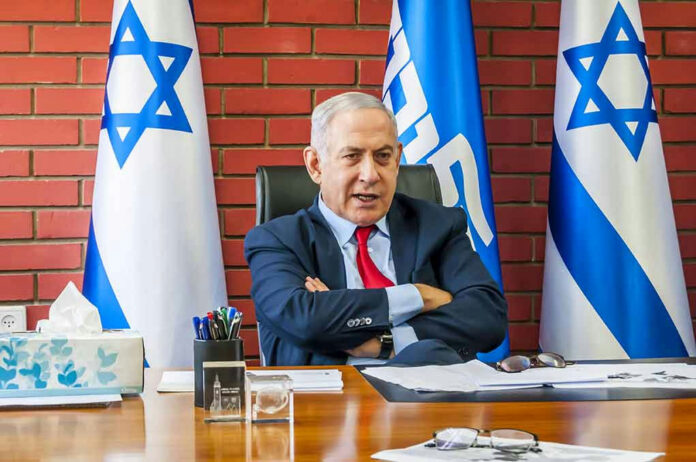
Prime Minister Benjamin Netanyahu stated in a May 10, 2026 CBS 60 Minutes interview that Israel intends to completely phase out U.S. military assistance within the next decade. Netanyahu emphasized the timeline would begin immediately, not waiting for future congressional cycles. He revealed discussions with President Trump about resetting the financial relationship, noting that Israelis were surprised by his proposal. The current Memorandum of Understanding provides $3.3 billion in Foreign Military Financing plus $500 million for missile defense annually through 2028. Netanyahu’s emphatic tone in the video footage underscored his commitment to this strategic shift toward independence.
Historical Aid Framework and Growing Self-Sufficiency
U.S. military support to Israel evolved from post-1948 loans into grants following the 1967 Six-Day War. The 2016 Memorandum of Understanding signed under President Obama established $38 billion in aid from 2018 to 2028, replacing an earlier 2007 agreement. This assistance currently represents approximately 16 percent of Israel’s defense budget but requires purchases of American-made weapons, directly benefiting U.S. defense contractors like Lockheed Martin and Raytheon. Israel’s GDP per capita has climbed to roughly $55,000 as of 2025, with defense exports reaching $13 billion annually. The nation now funds 70 percent of its defense spending domestically, demonstrating increasing economic capacity to absorb the transition away from American aid.
Strategic Implications for American Interests
The proposed phase-out presents complex consequences for U.S. strategic and economic interests. American defense contractors could lose approximately $3 billion in annual export contracts tied to the aid package, potentially affecting over 10,000 jobs in the defense sector. However, the shift aligns with America First principles by freeing up $40 billion over the next decade that could be redirected to domestic priorities or deficit reduction. The move may reduce U.S. diplomatic leverage over Israeli policy decisions, particularly regarding settlement expansion and regional conflicts. Netanyahu’s emphasis on starting immediately rather than waiting for the next Congress suggests recognition of potential political resistance from entrenched interests who benefit from maintaining the status quo.
Mixed Reactions and Future Uncertainties
Israeli opposition leader Yair Lapid criticized Netanyahu’s announcement as reckless, while Foreign Minister Katz expressed support for the independence goal. The U.S. State Department maintained that aid remains a cornerstone of the relationship during a May 11 briefing. No formal Israeli proposal has been submitted to Washington, and the Trump administration stated it is reviewing the concept. Defense analysts note Israel’s strengthened partnerships with Gulf states through the Abraham Accords provide alternative funding sources for military technology development. Critics warn the transition could prove risky amid ongoing Iranian threats, while supporters argue it reflects Israel’s maturation into a fully self-sufficient regional power capable of defending itself without foreign subsidies.
Sources:
Netanyahu wants to wean Israel off US military support, he tells CBS – Arab News