
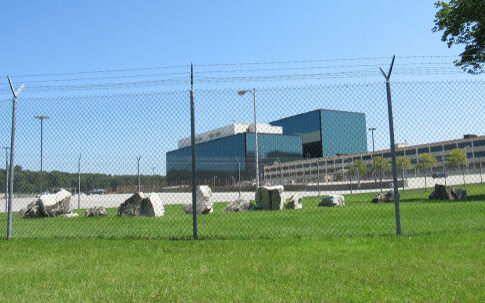
A new national map of artificial intelligence data centers is giving Americans their first clear look at how quietly this infrastructure race is being built in their backyards.
Story Snapshot
- Erin Brockovich has launched a public map tracking major artificial intelligence data centers and community complaints nationwide.
- The project frames data centers as a fast-moving infrastructure buildout with serious local impacts on water, power, noise, and land use.
- Industry maps confirm the data center footprint is large and growing, even as evidence of specific harms remains uneven and often anecdotal.
- The fight over these facilities reflects a deeper breakdown of trust in local, state, and federal officials to protect ordinary communities.
Brockovich’s Map Puts a Local Face on a National AI Buildout
Environmental advocate Erin Brockovich has launched the Brockovich Data Center Reporting Map, a national, public-facing map that tracks major artificial intelligence-focused data centers across the United States.[1][3] The tool lists facilities that are operational, under construction, or proposed, and it layers in locations where residents have emailed concerns about projects in their communities.[1] The site describes the map as a way to visualize how the race to build artificial intelligence infrastructure is unfolding “town by town” across America.[1][3]
The Brockovich materials describe data centers appearing in industrial parks, on the edges of neighborhoods, and in some cases near schools, with some towns welcoming projects while others fight them.[3] The project urges residents to “report what you’re seeing,” positioning the map as an early-warning system for communities that often discover plans only after permits are signed.[1][3] This combination of corporate development and late public notice speaks directly to a bipartisan sense that big decisions are being made out of sight.
Claims of High Resource Use, Low Jobs, and Local Impacts
Brockovich’s reporting frames artificial intelligence data centers as facilities that consume “huge amounts” of local power, water, and land while creating relatively few permanent local jobs.[3] The launch article cites a wave of complaints about noise from cooling equipment, concerns over rising electricity bills, and worries about water withdrawals for cooling systems.[1][3] Advocacy toolkits linked from the project argue that communities, especially those already burdened by pollution, should not be asked to subsidize intensive facilities that may change local infrastructure but not household fortunes.[3]
The effort highlights specific vulnerabilities, such as a proposed 800-megawatt natural gas plant and data center complex in Ohio that would sit above the Teays Valley Aquifer, the area’s sole source of drinking water.[4] Brockovich reports that state environmental officials have rated this aquifer as having “high susceptibility to contamination” and that a development agreement approved by the village council lacks binding groundwater protections or monitoring standards.[4] She urges residents to press regulators for maps, hydrogeological studies, and enforceable safeguards before final approvals are granted.[4]
What Local Governments Can Actually Do
The Brockovich materials emphasize that cities still hold legal tools to shape this buildout, if they choose to use them.[3] They argue that local governments can restrict data centers to industrial zones, require conditional use permits that force case-by-case review, and mandate distance buffers from homes, schools, and sensitive areas.[3] The guidance suggests requiring proof that facilities will not rely on new fossil fuel power plants, imposing strict water-use limits, and demanding environmental impact studies before any permit is issued.[3]
The project also points to organized resistance, claiming that more than 140 local groups around the country have delayed or blocked tens of billions of dollars in data center investments by attending hearings and challenging subsidies rather than hiring expensive lobbyists.[3] Residents are urged to document any pollution, health impacts, or infrastructure problems they experience near operating facilities and to bring those records into public proceedings.[3] For many readers across the political spectrum, this playbook will feel like a response to years of decisions made without meaningful local input.
Industry Growth, Thin Evidence, and Federal Inaction
Industry-oriented tools such as Cleanview’s United States Data Center Map and Data Center Map’s global directory confirm that data centers are now a recognized, rapidly growing infrastructure category, not a fringe concern.[2][5] These platforms track thousands of facilities and planned projects for colocation, cloud, and connectivity services, illustrating why technology companies and utilities insist that new buildout is essential for economic competitiveness.[2][5] The Brockovich map sits atop this reality, focusing specifically on artificial intelligence workloads and the communities surrounding them.[1][3]
AOC is starring in the remake of Erin Brockovich—but luckily this claim is false and misleading. It refers to private well water from homes near construction sites, not “drinking water from Meta’s AI data centers.” Meta’s Stanton Springs facility utilizes 100% municipal/utility…
— LKM (@Lk67Lkm) May 22, 2026
At the same time, the evidence in the public debate is uneven. Brockovich’s launch materials and allied commentary lean heavily on anecdotal complaints and general claims about water use, noise, and health without always providing facility-specific engineering data, environmental assessments, or utility records.[3][4] The project itself acknowledges that the map is proof of location and concern, not proof of harm.[1] A federal moratorium bill on artificial intelligence data centers has reportedly been introduced by Senator Bernie Sanders and Representative Alexandria Ocasio-Cortez, but the available materials do not show any enacted national safeguards.[3]
Why This Fight Resonates with a Disillusioned Public
The battle over artificial intelligence data centers taps into deeper frustration with how both parties have handled technology, development, and basic governance. For many conservatives, the idea of data-hungry facilities demanding new power plants, water rights, and subsidies looks like another elite-driven scheme that raises bills while eroding local control. For many liberals, the prospect of “dirty data centers” near vulnerable communities feels like one more example of corporate interests being prioritized over health and environmental justice.[3]
In today’s Washington, where one party controls the federal government and the other responds with constant obstruction, both sides see a pattern: decisions about artificial intelligence, energy, and land use are being made through insider negotiations long before ordinary citizens learn what is happening. Brockovich’s map does not resolve the scientific questions about every site, but it does something our institutions often fail to do. It shows people where power is being built, invites them to look closer, and reminds them that they still have a right—and responsibility—to ask hard questions.
Sources:
[1] Web – Brockovich Data Center Reporting – U.S. AI Data Center Awareness …
[2] Web – US Data Center Map — Project List & Tracker – Cleanview
[3] Web – The New Pollution Is Data, And It’s Coming to a Town Near You
[4] Web – They Want To Put a Data Center Above the Aquifer. What Could Go …
[5] Web – Data Center Map – Colocation, Cloud and Connectivity
In the development years of our country, there was a big demand for lumber. Saw mills were built along rivers and streams, making themselves self-sufficient. It seems to me that artificial intelligence data centers should attempt to do the same as the saw mills. Even if they can’t produce all of their power, they could at least supplement the local grid. Also, they could build along river banks for cooling of their equipment, which would not waste potable water supplies.