
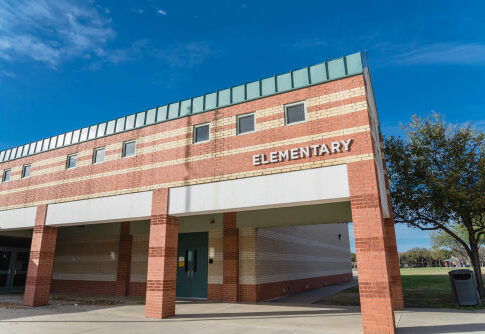
Parents say school officials crossed a bright line by hosting drag performances on elementary school grounds without clear guardrails or proof of age-appropriate content.
Story Snapshot
- Parents in Grosse Pointe objected to drag performances at a summer Pride event held at an elementary school [6].
- The event was billed as family friendly; no official finding of wrongdoing has been made [6].
- A watchdog group demanded answers about how and why the school hosted the event [8].
- A named parent’s social post sparked wider debate about adult content in school settings [7].
What Happened On School Grounds
Local parents in Grosse Pointe, Michigan, objected after drag performers took part in a summer Pride event at an elementary school. Reporting described significant anger over holding the performances on school property, despite the event being labeled family friendly by organizers [6]. A parent watchdog group questioned the district’s decision-making and policies that allowed the event on campus [8]. A named parent’s Facebook post helped fuel the dispute, arguing adult-themed entertainment does not belong in elementary spaces [7]. No official misconduct finding has been issued.
The core dispute centers on whether drag, as performed at this event, was appropriate for children. Some parents tie drag to adult venues, tipping, and suggestive dance. Others argue drag can be theatrical and suitable when curated for families. News coverage confirmed parental anger but did not cite verified footage of explicit acts at this specific event [6]. That evidence gap leaves the public with clashing claims rather than settled facts. The school district has not released a detailed account.
What Is Known Versus What Is Not
Parents and activists shared claims online, including worries about tipping or provocative attire. However, reporting tied to this Grosse Pointe event does not include verified video or an official record confirming explicit content. The family-friendly label from organizers stands, but it is not proof of appropriateness on its own [6]. A watchdog outlet pressed the district for answers about planning, vetting, and supervision [8]. A named parent post captured the broader concern about adult content entering an elementary setting [7].
Because strong claims demand strong proof, the lack of released footage or an investigation summary limits clear conclusions. That uncertainty is not unique. Across the country, school disputes about LGBTQ-related content have surged since 2020, sometimes turning heated and even physical, as documented by national reporting [17]. In many cases, disagreements hinge on what happened in the room versus how events were promoted. Here, both sides point to principles—free expression and inclusion on one side, child protection and parental rights on the other—without shared evidence to resolve the facts.
Why This Touches A National Nerve
Parents on the right and the left say they feel shut out by institutions that make decisions first and explain later. Many believe leaders guard their own power instead of setting clear rules that honor family values and community input. When schools host events with contested content, and then offer few details, trust erodes further. That pattern fuels anger that government bodies and district offices answer more to media narratives and insiders than to parents who want simple, transparent standards.
Research shows conflicts over school-based LGBTQ topics are growing, and officials often struggle to balance inclusion, safety, and speech [17]. Supporters of Pride events say visibility helps vulnerable students. Critics say schools must keep adult entertainment norms far from young children. Both concerns are real for many neighbors. Without firm, public guidelines—what costumes are allowed, what dance moves are banned, where tipping is prohibited—districts invite repeat battles that divide communities and distract from teaching.
What Accountability Looks Like Now
Parents who want clarity can press for a written policy that covers third-party events on school grounds. That policy should define age-appropriate performance standards, ban tipping, require full program reviews, and name the staff who must sign off. Districts can also release event summaries that list who performed and what content appeared, so rumors do not fill the gap. These steps are basic governance, not culture war tactics. They respect free speech while setting guardrails for children.
I went to this school, Maire elementary, in Grosse Pointe as well as my children and I am livid and appalled GP Education would allow this. I would never allow my grandchildren attend GP schools.
Drag shows are welcome to do “shows”, but why grade schools? Indoctrination???— Duncan MacEachern (@Duncan2900) June 23, 2026
For this case, the fastest path to facts is simple. The district can publish any available recordings, the event program, and its vetting notes, with redactions to protect minors. If nothing explicit occurred, transparency will calm fears. If something crossed the line, clear consequences and updated rules will rebuild trust. Either way, sunlight serves everyone. When schools communicate early and often, they reduce the sense that elites make choices in the shadows and parents only learn after the fact.
Sources:
[6] Web – Grosse Pointe parent’s LGBTQ flag video led to school ban … – Reddit
[7] Web – In Grosse Pointe, anger over drag queens at summer Pride event at …
[8] Web – Drag queens at Grosse Pointe elementary school pride event sparks …
[17] Web – Protests against LGBTQ inclusivity in schools have turned violent in …